
MEN’S HORMONAL HEALTH / AFTER 40
Feeling more tired than usual? Noticing changes in your sex drive, morning erections or motivation? Low testosterone might be one possibility — but it is far from the only explanation.
Testosterone affects sexual function, muscle and bone health, red blood cell production and several other processes in the male body. Although levels often decline gradually with age, not every symptom after 40 is caused by a hormone deficiency.
This guide explains 11 possible signs of low testosterone in men over 40, how doctors investigate them, and what you can do before considering treatment.
Educational information only. This article does not replace a medical diagnosis.
What Is Low Testosterone?
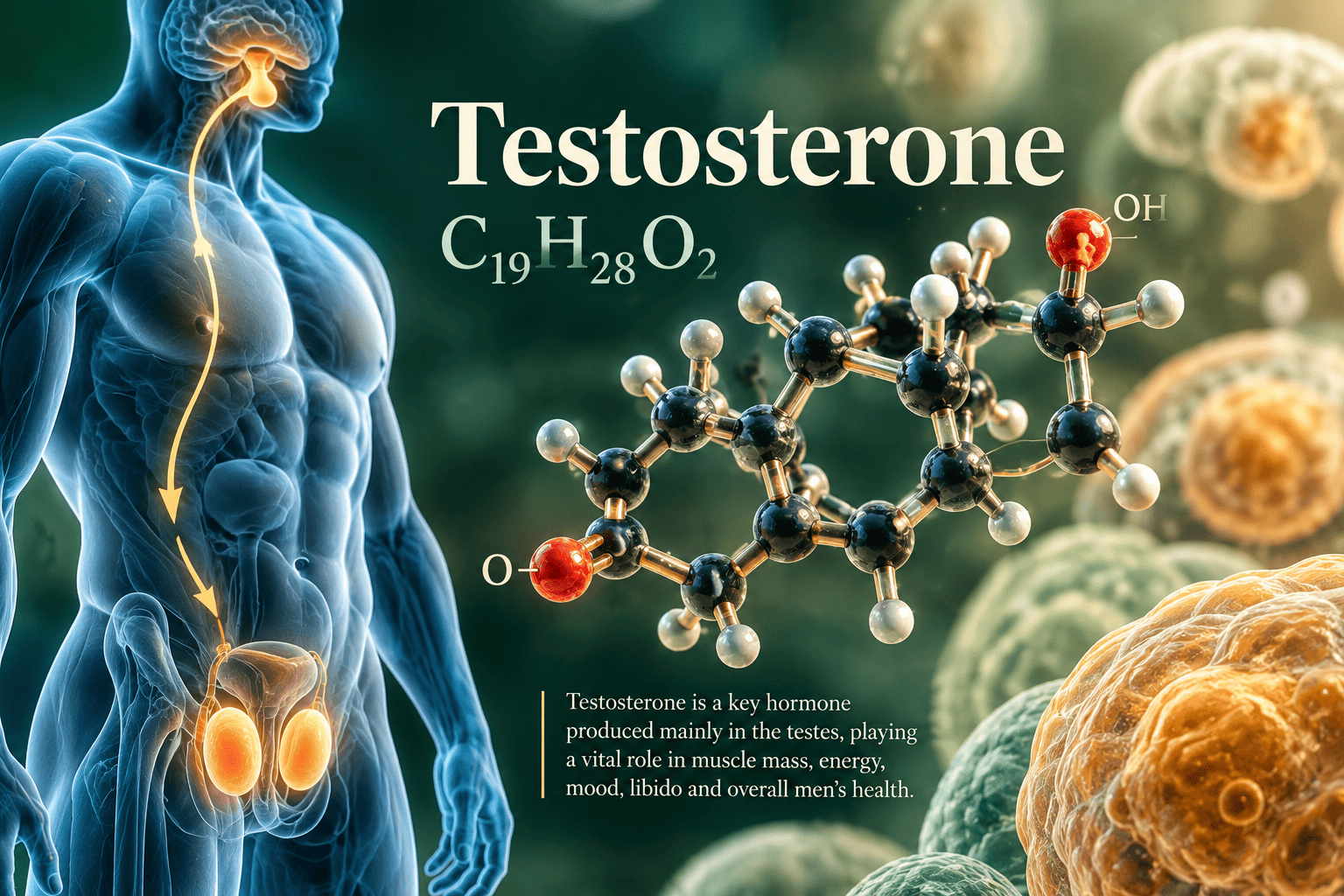
Testosterone is a hormone produced primarily by the testicles. Its production is regulated by signals from the brain, including the hypothalamus and pituitary gland.
Testosterone plays a role in sexual desire, sperm production, muscle development, bone strength and the maintenance of male sexual characteristics.
Low testosterone, sometimes called testosterone deficiency or male hypogonadism, occurs when the body does not produce enough of the hormone for normal physiological needs.
However, a single low blood test result is not enough to establish a diagnosis. Testosterone varies throughout the day, and the interpretation depends on symptoms, repeat testing and individual circumstances.
Having symptoms associated with low testosterone does not prove that your testosterone level is low. Likewise, one unexpected laboratory result does not automatically mean you need testosterone therapy.
11 Possible Early Signs of Low Testosterone in Men Over 40
Some signs are relatively specific to testosterone deficiency, while others overlap with sleep disorders, stress, depression, medications and other health conditions.
1. A Noticeable Decline in Sexual Desire
A persistent reduction in sexual interest is one of the symptoms that may prompt a doctor to investigate testosterone deficiency.
You might find yourself thinking about sex less often, feeling less interested in intimacy or noticing a meaningful change from your previous level of desire.
But libido is influenced by much more than hormones. Stress, relationship difficulties, poor sleep, depression and medication side effects can also reduce sexual interest.
What matters most is whether the change is persistent, unusual for you and affecting your wellbeing.
2. Fewer Spontaneous or Morning Erections
Some men with testosterone deficiency notice fewer spontaneous erections, including erections that normally occur during sleep or upon waking.
This can be an important clue, especially when combined with reduced sexual desire.
However, morning erections are also influenced by sleep patterns, age and general vascular health. Their absence on a particular morning does not diagnose a hormonal disorder.
3. Erectile Difficulties
Low testosterone may contribute to erectile difficulties, particularly when reduced sexual desire is also present.
But testosterone is not the only factor involved in producing an erection. Healthy blood vessels, nerves, psychological wellbeing and adequate sexual stimulation are also important.
Diabetes, cardiovascular disease, anxiety and certain medications can all contribute to erectile dysfunction.
If you regularly have trouble getting or keeping an erection, a medical evaluation is more useful than assuming your testosterone is low.
Related reading: Why Do I Lose My Erection During Sex?
4. Persistent Tiredness or Reduced Energy
Feeling unusually tired despite adequate rest can sometimes accompany testosterone deficiency.
Some men describe struggling to maintain their usual pace at work, exercise or everyday activities.
Yet fatigue is one of the least specific symptoms of low testosterone. Sleep apnea, anemia, thyroid problems, depression, infection and many other conditions can produce similar complaints.
That is why persistent fatigue deserves a broad assessment rather than a hormone-focused shortcut.
5. Reduced Muscle Mass or Strength
Testosterone helps maintain muscle tissue. Men with genuine testosterone deficiency may experience changes in lean body mass or physical strength.
You might notice that resistance exercises feel harder or that your usual training results have changed.
However, muscle loss can also result from inactivity, inadequate protein intake, illness or the normal changes associated with ageing.
A noticeable decline in muscle strength should be discussed with a healthcare professional, particularly when it occurs alongside other symptoms.
6. An Increase in Body Fat
Changes in body composition may accompany testosterone deficiency. Some men notice less muscle definition or an increase in abdominal fat.
The relationship is complex. Excess body fat, especially in the presence of metabolic disease, can also be associated with lower testosterone concentrations.
That means weight gain is not proof of a hormonal condition. Diet, physical activity, sleep, genetics and other medical factors all influence body composition.
7. Low Mood or Reduced Motivation
Some men with testosterone deficiency report lower motivation, irritability or a reduced sense of general wellbeing.
These experiences can overlap with symptoms of depression and chronic stress.
It is important not to attribute emotional distress automatically to hormones. Mental health conditions deserve appropriate assessment and care in their own right.
If low mood becomes persistent or begins interfering with daily life, speak with a qualified healthcare professional.
8. Difficulty Concentrating
Occasional forgetfulness and poor concentration are common complaints in middle age.
Some men with low testosterone also describe mental fatigue or difficulty focusing. However, these symptoms are nonspecific, and testosterone treatment has not been established as a general solution for age-related memory or concentration problems.
Poor sleep, stress, medications and other medical conditions may be more relevant explanations.
9. Changes in Body Hair
Long-standing or substantial testosterone deficiency may be associated with reduced body or facial hair growth.
However, hair changes develop gradually and have many potential causes. Genetics, skin conditions and other hormonal disorders also matter.
Male-pattern scalp hair loss is different. It is largely influenced by genetics and sensitivity to androgens, and it should not be interpreted as a reliable sign of low testosterone.
10. Reduced Bone Strength
Testosterone contributes to the maintenance of bone density. Long-term deficiency may increase the risk of weaker bones and osteoporosis.
This change often develops silently, without obvious early symptoms. In some cases, a fracture after a relatively minor injury leads to further investigation.
Men with fractures, height loss or other risk factors may need an assessment of bone health, which is separate from testosterone testing.
11. Fertility or Testicular Changes
Certain causes of testosterone deficiency can also affect sperm production and male fertility.
Men may seek medical help because of difficulty conceiving, changes in testicular size or a combination of reproductive symptoms.
This distinction becomes particularly important when considering treatment: external testosterone can suppress the body’s own sperm production.
If you want to have children, discuss your fertility goals before starting any hormone therapy.
Is It Low Testosterone or Just Normal Ageing?
Testosterone levels often decrease gradually as men get older. But normal ageing and clinically significant testosterone deficiency are not the same thing.
Many changes blamed on hormones have several possible causes. Poor sleep, less physical activity, new medications, weight changes and chronic medical conditions can all affect how a man feels.
That is why the most useful question is not simply, “Am I over 40?” It is, “Have I developed persistent symptoms that deserve an appropriate medical evaluation?”
| Possible symptom | Other explanations worth considering |
|---|---|
| Low sex drive | Stress, depression, relationship concerns, medications |
| Erectile difficulties | Diabetes, cardiovascular conditions, anxiety, medications |
| Persistent fatigue | Sleep apnea, anemia, thyroid disorders, poor sleep |
| Reduced muscle strength | Inactivity, poor nutrition, illness, ageing |
| Low mood | Depression, stress, sleep problems, chronic illness |
These possibilities can overlap. A person may have more than one condition, and the right assessment depends on the overall clinical picture.
What Causes Low Testosterone After 40?
True testosterone deficiency can result from conditions affecting the testicles or the hormonal signals that regulate them.
Potential contributors include certain testicular disorders, pituitary conditions, some medications, significant obesity and other illnesses.
Sleep and metabolic health can also influence hormone measurements. In some cases, a low value may be associated with a potentially reversible health problem.
A clinician may therefore investigate underlying conditions before deciding whether hormone treatment is appropriate.
Questions Worth Asking Yourself
- Have the changes lasted for several weeks or longer?
- Have your sleep habits changed recently?
- Are you taking any new prescription medications?
- Have you gained significant weight or reduced your physical activity?
- Are you experiencing sexual symptoms as well as general tiredness?
- Could stress or emotional wellbeing be contributing?
Your answers will not diagnose testosterone deficiency, but they can help you prepare for a productive medical appointment.
How Do Doctors Test for Low Testosterone?
If symptoms raise a reasonable concern, your clinician may recommend a blood test to measure total testosterone.
Testosterone usually varies throughout the day. For that reason, guidelines generally recommend sampling in the morning, when appropriate for the patient’s sleep schedule.
The Endocrine Society recommends confirming suspected testosterone deficiency using repeat morning fasting measurements rather than relying on one result alone.
When total testosterone is close to the lower limit of the laboratory reference range, or when certain medical conditions affect hormone binding, additional assessment of free testosterone may be useful.
What Testosterone Level Is Considered Low?
There is no single number that tells every man whether treatment is necessary. Diagnostic thresholds and reference ranges can differ between guidelines and laboratories.
The American Urological Association uses a total testosterone level below 300 ng/dL as a reasonable cut-off to support a diagnosis, together with compatible symptoms and two separate early-morning measurements.
However, a result near that threshold requires clinical interpretation. A number on a report cannot explain the cause of your symptoms by itself.
What Other Tests Might Be Needed?
Depending on your history and examination, your clinician may investigate other possible causes of symptoms or test additional hormones.
For confirmed testosterone deficiency, tests such as luteinising hormone (LH) and follicle-stimulating hormone (FSH) may help clarify whether the problem originates in the testicles or in the hormonal regulatory system.
Your doctor may also consider blood count, thyroid function, glucose levels or other tests when indicated.
Can Lifestyle Changes Help Testosterone Levels?
There is no universal lifestyle trick that will correct every case of hormone deficiency.
However, improving general health can help address some factors associated with reduced testosterone and overlapping symptoms.
Prioritise Sleep
Build a consistent sleep routine and seek evaluation for possible sleep apnea if you snore heavily, stop breathing during sleep or experience excessive daytime sleepiness.
Stay Physically Active
Regular activity and strength training can support muscle health, cardiovascular fitness and general wellbeing, even when they do not correct a hormonal disorder.
Address Metabolic Health
For men with obesity or metabolic concerns, appropriate weight management and treatment of underlying conditions may improve overall health and, in some cases, hormone levels.
Review Medications
Some medications can affect sexual function or hormone levels. Review concerns with the prescribing clinician; do not stop treatment without professional guidance.
Do Testosterone Boosters and Herbs Really Work?
Online advertisements often promise dramatic improvements in testosterone, sexual performance and energy from a single herbal blend or supplement.
These promises should be approached carefully. Evidence varies widely between ingredients, products and studies, and many marketed “testosterone boosters” have not been shown to reliably treat clinical testosterone deficiency.
Some supplements may also interact with medications or contain ingredients that are not clearly disclosed.
Traditional herbal knowledge can be an interesting subject of study, but it must not be confused with proof that a product treats a medical condition.
Ask a qualified healthcare professional before using herbs or supplements for hormonal symptoms, especially if you take medication.
When Is Testosterone Replacement Therapy Considered?
Testosterone replacement therapy, often called TRT, may be considered for men who have persistent compatible symptoms and confirmed testosterone deficiency.
Treatment decisions depend on the cause of the deficiency, the patient’s goals, potential benefits, medical history and relevant safety factors.
TRT is not a general anti-ageing treatment, nor should it be used simply because someone wants more energy or muscle without a proper evaluation.
Possible adverse effects and monitoring needs include changes in red blood cell levels, acne, reduced sperm production and increased blood pressure. Some patients need specific prostate-related or cardiovascular assessment.
The safety evidence has evolved, including findings from large cardiovascular studies, but treatment still requires individual clinical judgement and ongoing monitoring.
What If You Still Want Children?
If fertility matters to you, mention it before beginning testosterone therapy.
External testosterone can suppress sperm production and may reduce fertility, sometimes substantially.
A clinician with experience in male reproductive health can discuss testing and possible approaches that take your reproductive goals into account.
When Should You See a Doctor?
Arrange a medical appointment if you notice persistent sexual symptoms, unexplained fatigue, significant changes in strength or other concerns affecting your life.
You should also seek appropriate assessment if you have fertility difficulties, a fracture after minor trauma or symptoms suggesting another underlying medical condition.
Do not wait for a testosterone test if you develop urgent symptoms such as chest pain, severe breathlessness or sudden neurological changes. These require immediate medical care.
How to Prepare for Your Appointment
- Write down when your symptoms began.
- Note any changes in sexual desire or erectile function.
- List your medications and supplements.
- Mention sleep problems, weight changes and relevant medical conditions.
- Ask whether testing is appropriate and whether other causes should be evaluated.
A clear description of your symptoms can be more helpful than arriving with a self-diagnosis.
Frequently Asked Questions About Low Testosterone After 40
What are the earliest signs of low testosterone in men?
A persistent decline in sexual desire and fewer spontaneous morning erections are among the symptoms that may raise suspicion. Fatigue, low mood and changes in body composition can also occur, but are less specific. Only an appropriate medical assessment can establish the cause.
Can a 40-year-old man have low testosterone?
Yes. Testosterone deficiency can occur at different ages. However, being over 40 does not mean that low testosterone is inevitable or that testing is automatically necessary. Symptoms and clinical circumstances guide the evaluation.
Does low testosterone always cause erectile dysfunction?
No. Some men with testosterone deficiency do not experience erectile dysfunction, and many men with erectile difficulties have other causes, including vascular, neurological, psychological or medication-related factors.
Can low testosterone cause weight gain around the stomach?
Testosterone deficiency can be associated with changes in body composition, but abdominal weight gain has many causes. Excess body fat can also contribute to lower measured testosterone, making the relationship bidirectional and complex.
Should every man over 40 get a testosterone test?
No. Major endocrine guidelines do not recommend routine population-wide screening of men without relevant symptoms or clinical indications. A healthcare professional can decide whether testing makes sense for your situation.
Is one low testosterone test enough for a diagnosis?
Usually not. Levels can fluctuate, and a diagnosis generally requires compatible symptoms together with consistently low measurements confirmed on a separate morning.
Can poor sleep make testosterone symptoms worse?
Poor sleep may affect energy, sexual function and general wellbeing. Sleep disorders can also overlap with symptoms attributed to low testosterone. If you have loud snoring or excessive daytime sleepiness, ask whether a sleep evaluation is needed.
Can I increase testosterone naturally without medication?
Lifestyle improvements may help some men, particularly when sleep problems, obesity or other modifiable factors are involved. But there is no guaranteed natural method for correcting every cause of testosterone deficiency. Persistent symptoms deserve professional evaluation.
The Bottom Line
Low testosterone after 40 is a genuine medical concern for some men, but it is not the explanation for every change in energy, libido, mood or sexual performance.
The most meaningful approach is to recognise persistent symptoms, investigate other possible causes and use appropriate testing rather than guesswork.
You do not need to accept troubling symptoms as an inevitable part of getting older. But you also do not need to assume that hormone therapy is the answer.
Understanding your health begins with asking better questions and getting reliable medical advice.
Medical Sources & Further Reading
- Endocrine Society: Testosterone Therapy for Hypogonadism — Clinical Practice Guideline
- Endocrine Society: Statement on Testosterone Replacement Therapy (2026)
- American Urological Association: Testosterone Deficiency Guideline
- U.S. Food and Drug Administration: Testosterone Information
This article is intended for general educational purposes only and is not a substitute for professional medical advice, diagnosis or treatment. Always consult a qualified healthcare professional about personal symptoms, medications or hormonal treatment. The article has not been independently clinically reviewed.