
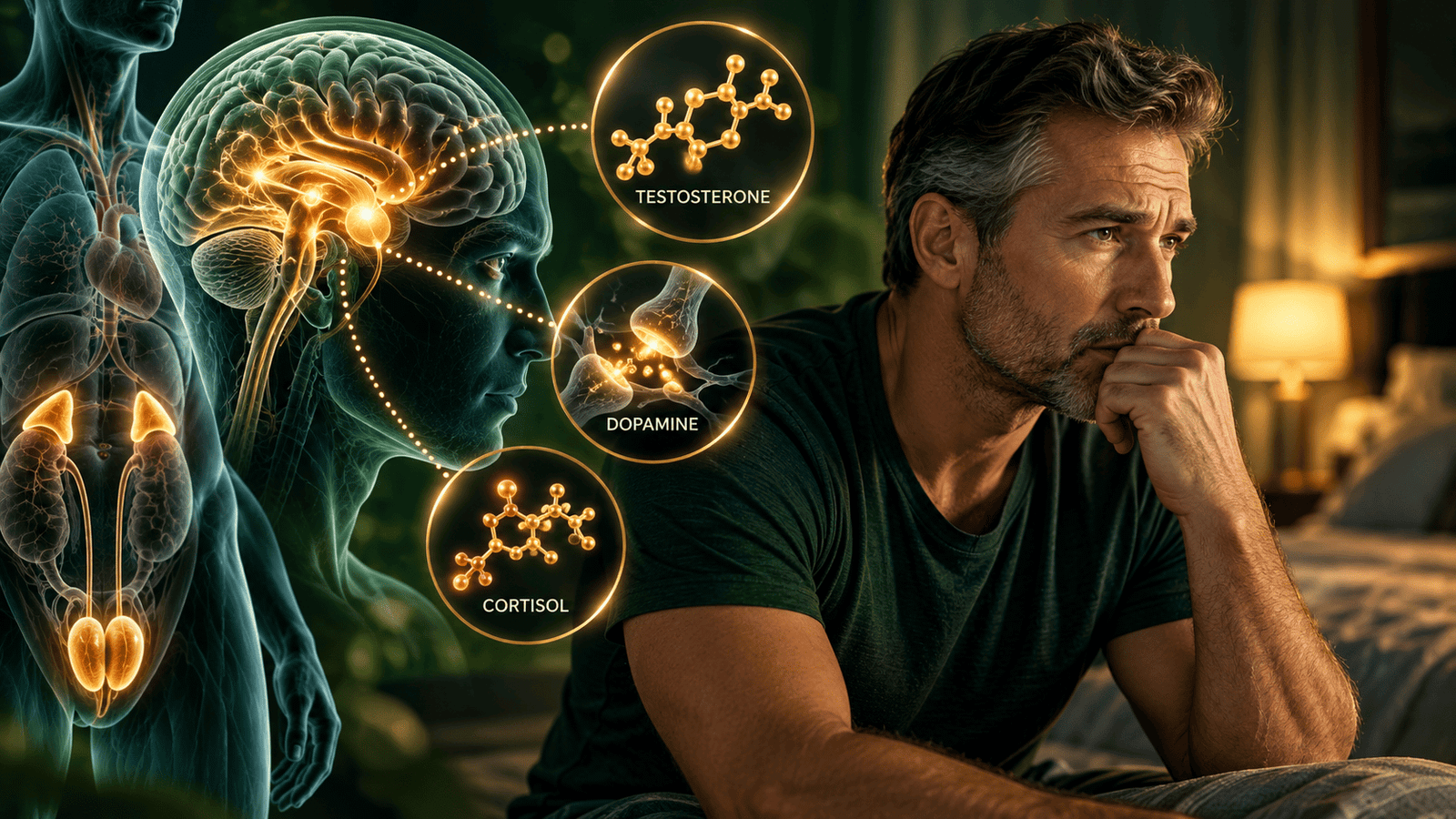
MEN’S SEXUAL HEALTH / AFTER 40
You still love your partner. You still value intimacy. But lately, your interest in sex feels different. Sometimes the desire simply isn’t there.
A lower sex drive can be confusing, especially when it happens without an obvious explanation. You may wonder whether ageing, testosterone, stress or your relationship is responsible.
The medical term for sexual desire is libido. Libido naturally varies between people and can change throughout life. A change does not automatically mean something is medically wrong.
However, a persistent reduction in sexual interest may be worth investigating when it is unexpected, causes distress or occurs alongside other symptoms.
Here are seven possible reasons men experience low sex drive after 40, along with practical ways to understand what might be happening.
What Is a Normal Sex Drive for a Man Over 40?
There is no universal number of times a man should want sex each week or month. Sexual desire differs considerably between individuals and relationships.
Some men enjoy frequent intimacy throughout later adulthood. Others have less interest in sex and feel entirely comfortable with that level of desire.
The important distinction is between a personal pattern that feels satisfactory and a change that causes concern.
For example, a man who has always had relatively little interest in sex may not have a health problem. Another man who experiences a sudden and persistent decline in desire may benefit from discussing it with a healthcare professional.
Libido is influenced by the brain, hormones, emotional wellbeing, relationships, sleep and physical health. These influences can change over time and may overlap.
Low libido is not the same as erectile dysfunction. Libido refers to sexual desire, while erectile dysfunction involves difficulty achieving or maintaining an erection. A man can experience one without the other, although both can occur together.
7 Reasons Men May Lose Their Sex Drive After 40
1. Chronic Stress and Mental Exhaustion
Work pressure, financial responsibilities, caregiving and relationship concerns can consume substantial emotional energy.
When someone feels constantly overwhelmed, sexual interest may become a lower priority. Stress can affect concentration, mood, sleep and the ability to feel relaxed during intimacy.
This does not mean that every change in desire is psychological. However, persistent stress can contribute to reduced sexual interest even when a person remains physically healthy.
Consider whether your libido changed during a particularly demanding period. Has your sleep become shorter? Are you working longer hours? Do you find it difficult to relax, even during time off?
Managing stress may involve setting realistic boundaries, regular exercise, adequate recovery time or professional psychological support.
If stress is severe or persistent, a mental health professional can help identify useful coping strategies.
2. Poor Sleep and Sleep Disorders
Sleep supports many processes involved in physical and mental wellbeing, including mood regulation and normal hormonal function.
A man who regularly sleeps too little may experience fatigue, irritability and reduced interest in activities he previously enjoyed, including sex.
Sleep disorders can also play a role. Obstructive sleep apnea, for example, repeatedly disrupts breathing during sleep and may cause daytime exhaustion.
Common signs include loud snoring, witnessed breathing pauses, waking with a dry mouth and feeling unrefreshed in the morning.
Although sleep and testosterone are connected, it would be misleading to assume that every tired man has low testosterone.
If poor sleep is persistent, discuss it with a healthcare professional rather than relying on hormone supplements or unverified sleep remedies.
3. Low Testosterone or Another Hormonal Condition
Testosterone plays an important role in male sexual desire. Clinically significant testosterone deficiency can contribute to reduced libido, among other symptoms.
However, testosterone levels vary between individuals and may change with age, illness, body composition and other health factors.
Low sexual desire alone is not enough to diagnose testosterone deficiency.
Medical guidelines generally recommend considering symptoms alongside appropriately timed blood testing. When testosterone deficiency is suspected, clinicians typically confirm low levels with repeat morning measurements.
Other hormonal conditions, including thyroid disorders and elevated prolactin, may also affect sexual function in some people.
Testosterone therapy is not a general anti-ageing treatment. It can have risks, requires appropriate monitoring and may suppress sperm production.
Related reading: Low Testosterone After 40: 11 Early Signs Men Shouldn’t Ignore .
4. Medication Side Effects
Some prescription medicines can affect sexual desire, arousal or sexual performance.
Certain antidepressants, including some selective serotonin reuptake inhibitors, are associated with sexual side effects in some patients.
Other medicines may also influence sexual wellbeing, depending on their effects, dosage and the person’s underlying health conditions.
If your sex drive changed after beginning a medication, write down when the change occurred and discuss it with the prescribing clinician.
Do not stop antidepressants, blood pressure medicines or other prescribed treatments without medical guidance. Suddenly discontinuing medication can cause withdrawal symptoms or worsen the condition being treated.
A clinician may be able to review alternatives or adjustments when appropriate.
5. Depression, Anxiety and Emotional Wellbeing
Depression can reduce interest in many previously enjoyable activities. Sexual desire may decline alongside motivation, energy and emotional connection.
Anxiety can also interfere with sexual interest, particularly when someone is preoccupied with worries about performance, appearance or relationship expectations.
Some men experience emotional difficulties primarily as irritability, exhaustion or withdrawal rather than obvious sadness.
A reduced sex drive is not enough to diagnose a mental health condition, but persistent changes in mood deserve attention.
If you have been feeling hopeless, unusually withdrawn or unable to enjoy daily life, consider speaking with a qualified healthcare professional.
If you are experiencing thoughts of self-harm, seek urgent local crisis support or emergency care.
Related reading: 9 Ways to Overcome Sexual Performance Anxiety After 40 .
6. Relationship Difficulties and Changes in Intimacy
Sexual desire is not determined solely by hormones or physical fitness. Emotional connection, communication, trust and relationship satisfaction can influence intimacy.
Long-term relationships naturally evolve. Responsibilities, unresolved disagreements, changes in routines and differences in sexual expectations may affect desire.
A man may also avoid intimacy because he fears disappointing his partner or because previous sexual difficulties have created tension.
These experiences do not necessarily indicate a lack of love or attraction.
Open conversations outside the bedroom can help partners understand what each person is experiencing.
Couples counselling or psychosexual therapy may be useful when communication becomes difficult or concerns persist.
7. Chronic Health Conditions and Physical Changes
Long-term health conditions can affect sexual wellbeing through several pathways.
Diabetes, cardiovascular disease, obesity and chronic pain may influence energy, mood, physical comfort and sexual function.
Some conditions also affect blood vessels, nerves or hormone regulation. Others require medications that may have sexual side effects.
For example, a man experiencing persistent pain or severe fatigue may have less interest in sex because intimacy has become physically demanding.
Erectile difficulties can also create anxiety that subsequently affects desire.
A comprehensive health review may be more useful than focusing on testosterone alone, particularly when other symptoms or cardiovascular risk factors are present.
Improving management of an underlying condition may support general wellbeing and, in some cases, sexual health.
Low Libido vs. Erectile Dysfunction: What’s the Difference?
These terms are frequently confused, but they describe different experiences.
Low Libido
Reduced interest in sexual activity or a noticeable change in sexual desire.
A man may be physically capable of achieving an erection but rarely feel interested in sex.
Erectile Dysfunction
Persistent difficulty achieving or maintaining an erection sufficient for satisfactory sexual activity.
A man may still experience strong sexual desire despite having erection difficulties.
Both conditions may occur together. Determining which symptom appeared first, whether it occurs consistently and what other health changes are present can help guide evaluation.
Related reading: Why Do I Lose My Erection During Sex? .
Can Men Naturally Improve Their Sex Drive After 40?
There is no single lifestyle change that reliably increases libido for every man. However, habits that support physical and emotional health may help when stress, fatigue or general wellbeing are contributing factors.
Prioritise Consistent Sleep
Try to maintain a regular sleep schedule and allow enough time for restorative sleep. If snoring, breathing pauses or daytime sleepiness are persistent, seek assessment for possible sleep disorders.
Stay Physically Active
Regular physical activity supports cardiovascular health, mood, energy and metabolic wellbeing.
Choose activities appropriate to your health and fitness level. Walking, swimming, resistance exercise and other forms of movement can be useful, but exercise is not a guaranteed treatment for low libido.
Eat for General Health
A balanced eating pattern with vegetables, fruit, whole grains, adequate protein and appropriate healthy fats supports overall health.
Be cautious of diets marketed as testosterone boosters. There is limited evidence that a particular food will reliably restore sexual desire in men without a nutritional deficiency.
Review Alcohol and Substance Use
Heavy alcohol consumption can affect sexual function, sleep and general health. Recreational drugs may also contribute to sexual difficulties.
Reducing harmful substance use may support wellbeing, but persistent symptoms still require appropriate assessment.
Make Room for Emotional Connection
When relationships feel dominated by responsibilities, couples may benefit from spending more relaxed time together.
Meaningful connection does not need to involve sexual activity. Affection, conversation and mutual understanding can help reduce pressure.
Healthy habits can support sexual wellbeing, but they cannot replace diagnosis or treatment when a hormonal disorder, medication effect, depression or another medical condition is responsible.
Should You Take Testosterone to Increase Libido?
Testosterone treatment may improve certain sexual symptoms in appropriately selected men with confirmed testosterone deficiency.
However, it is not recommended simply because a man has reached a particular age or feels less interested in sex.
Before considering treatment, a healthcare professional should evaluate symptoms, relevant health conditions and properly obtained laboratory results.
Testosterone therapy can affect fertility, red blood cell levels and other aspects of health. It requires individual risk assessment and monitoring.
Men planning to have children should specifically discuss fertility before starting testosterone treatment.
Products sold online as natural testosterone boosters may contain ingredients with uncertain effectiveness or safety. Some supplements have been found to contain undeclared pharmaceutical substances.
Do not self-prescribe hormones or use unregulated products to treat sexual concerns.
What About Vitamins, Zinc and Herbal Supplements?
A nutritional deficiency can sometimes contribute to poor general health. Correcting a confirmed deficiency is appropriate when advised by a healthcare professional.
But taking additional vitamins or minerals beyond what your body needs does not automatically improve libido.
Zinc, vitamin D and various herbal products are frequently advertised for male sexual health. Evidence for improving sexual desire in otherwise healthy men is limited or inconsistent.
Herbal supplements can also interact with medications, vary in quality and cause adverse effects.
If you are considering a supplement, discuss its ingredients with a qualified professional, especially if you take prescription medication.
When Should a Man See a Doctor About Low Libido?
Consider arranging an appointment if your sexual desire has declined unexpectedly, remains low for a prolonged period or causes personal or relationship distress.
Medical advice is particularly important if low libido occurs alongside persistent fatigue, mood changes, erectile difficulties, unexplained weight changes or symptoms suggesting another health condition.
A clinician may ask about your sleep, emotional wellbeing, medication use, relationship circumstances and medical history.
Depending on the findings, appropriate investigations may include blood tests for testosterone or other conditions. Testing should be guided by symptoms rather than ordered indiscriminately.
Questions Worth Asking Your Doctor
- Could my medications be affecting sexual desire?
- Do my symptoms suggest a hormonal condition?
- Would sleep or mental health evaluation be useful?
- Could diabetes or another chronic condition be contributing?
- What treatment options fit my medical history and preferences?
How to Talk to Your Partner About Losing Interest in Sex
Reduced sexual desire can be difficult to discuss. Some men fear their partners will interpret the change as rejection or a loss of attraction.
A calm conversation can help separate the experience of low libido from assumptions about the relationship.
Choose a time when neither person feels pressured to initiate sexual activity.
You might explain: “I’ve noticed my sex drive has changed recently. I care about our relationship, and I’d like to understand what’s happening rather than ignore it.”
Listen to your partner’s feelings without assuming that either person is responsible for the change.
When differences in desire create ongoing tension, a qualified couples therapist or sex therapist may help both people communicate more effectively.
Sexual wellbeing is not defined by meeting a predetermined frequency or performing to someone else’s expectations. Respect, consent and shared understanding matter.
Frequently Asked Questions
Is it normal for men to lose their sex drive after 40?
Sexual desire can change with age, but there is no universal age at which men should lose interest in sex. Persistent or distressing changes may be related to health, medication, sleep, stress or relationship factors and deserve individual assessment.
Does low sex drive always mean low testosterone?
No. Testosterone deficiency is one possible cause, but low libido can also be associated with stress, depression, medication effects, sleep problems and chronic health conditions. Symptoms and appropriately timed blood tests are needed to evaluate suspected hormone deficiency.
Can stress cause a man to lose sexual desire?
Yes. Persistent stress may reduce interest in sex by affecting emotional wellbeing, attention, sleep and the ability to relax. However, physical causes should not be dismissed when symptoms continue.
Can antidepressants lower libido?
Some antidepressants can cause sexual side effects, including reduced desire. If you notice a change after starting medication, discuss it with the prescribing clinician rather than stopping treatment on your own.
Can a man have low libido but normal erections?
Yes. Sexual desire and erectile function are related but distinct. A man can have normal erections while experiencing reduced interest in sexual activity.
Can poor sleep reduce sexual desire?
Inadequate sleep and sleep disorders can contribute to fatigue, mood changes and reduced sexual wellbeing. Persistent snoring, breathing pauses or daytime sleepiness should be evaluated.
What is the best natural treatment for low libido in men?
There is no single natural treatment proven to work for everyone. Improving sleep, physical activity, stress management and general health may help some men. The appropriate approach depends on the underlying cause.
When should I worry about low sex drive?
Seek medical advice when the change is sudden, persistent, distressing or accompanied by other symptoms. A healthcare professional can help assess possible physical, psychological and medication-related factors.
The Bottom Line
Losing interest in sex after 40 does not automatically mean that something is wrong with your hormones, your masculinity or your relationship.
Sexual desire is shaped by many influences, including sleep, stress, mental health, medications, chronic conditions and emotional connection.
When a change is persistent or troubling, the most useful response is curiosity rather than panic. Understanding the cause is more important than chasing a quick fix.
With appropriate information, open communication and medical support when needed, men can make informed decisions about their sexual wellbeing at every stage of life.
Medical Sources & Further Reading
- NHS — Loss of Libido
- Endocrine Society — Testosterone Therapy in Men With Hypogonadism
- NIDDK — Symptoms and Causes of Erectile Dysfunction
- NCCIH — Herbs at a Glance
This article is intended for general educational purposes only. It does not provide personalised medical advice, diagnosis or treatment. Consult a qualified healthcare professional about persistent changes in sexual desire, hormonal concerns or medication-related symptoms. This article has not undergone independent clinical review.